I have more ideas than I’ll ever have time in this life to draw.
Understanding an artist’s journey offers a deeper appreciation of their work, the influences, decisions, and passions that shape their creative path…
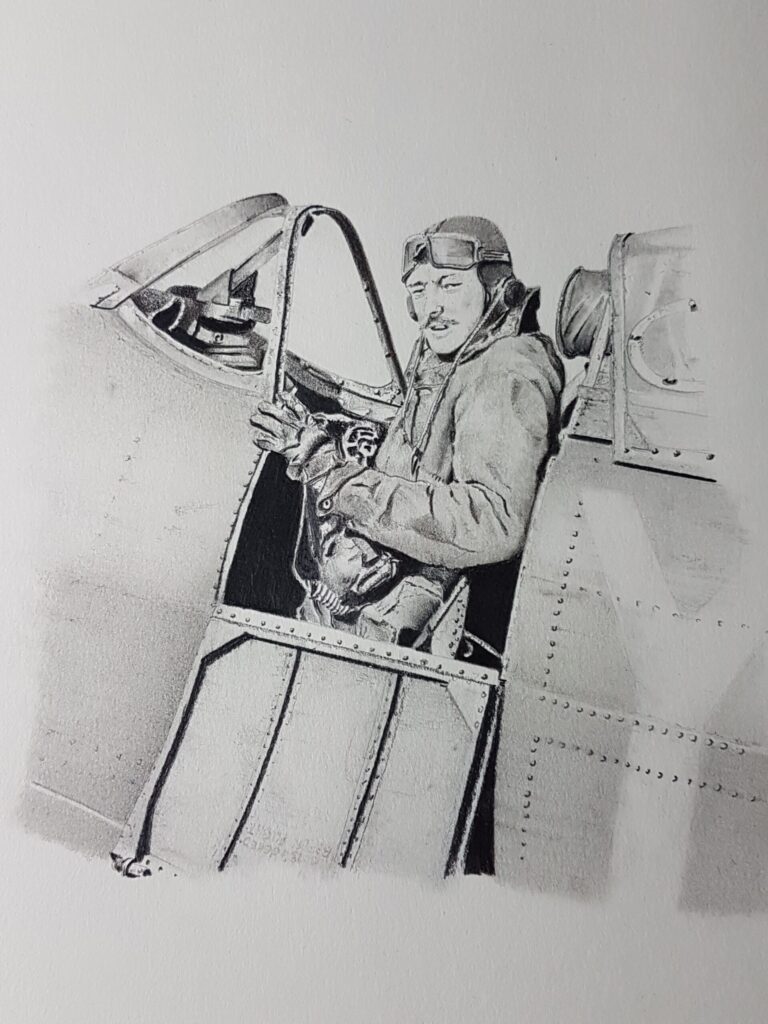
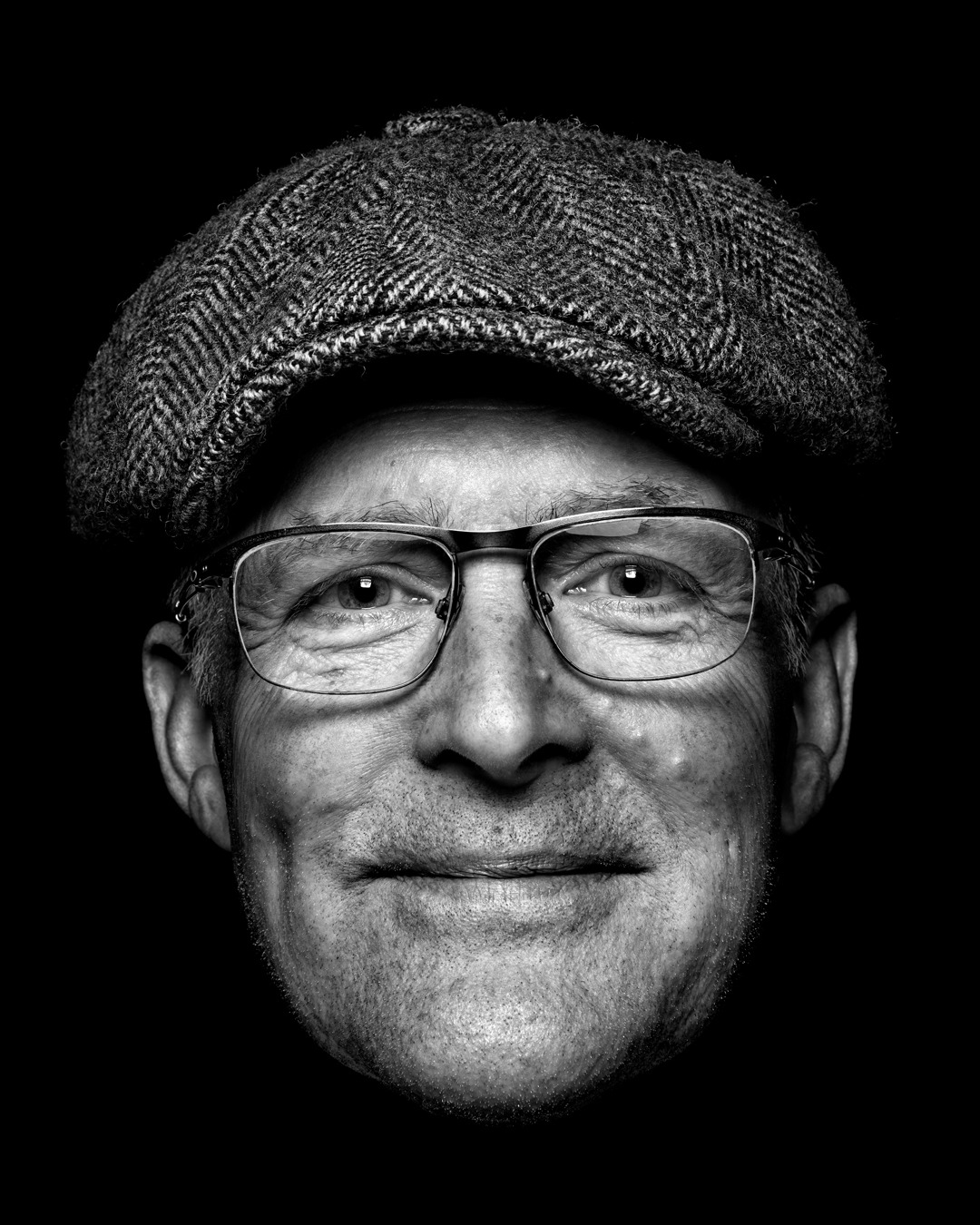
Warwickshire-based artist Guy Chapman is known for his highly detailed pencil and ink drawings that invite viewers into richly imagined worlds. Often described as “stories without words,” his work blends technical precision with fantasy, humour, and hidden narrative layers, rewarding close looking and repeated viewing. Self-taught and driven by a lifelong fascination with literature, imagination, and world-building, Chapman creates intricate scenes filled with tiny details, visual puzzles, and subtle references that encourage personal interpretation.
In this spotlight, Chapman reflects on the role of imagination in his practice, the influence of childhood reading on his visual storytelling, and the transition from corporate portrait work to developing a distinctive artistic voice. We also explore how curiosity and discovery shape the viewer’s experience, and his ambitions to collaborate with writers to bring illustrated worlds to life.
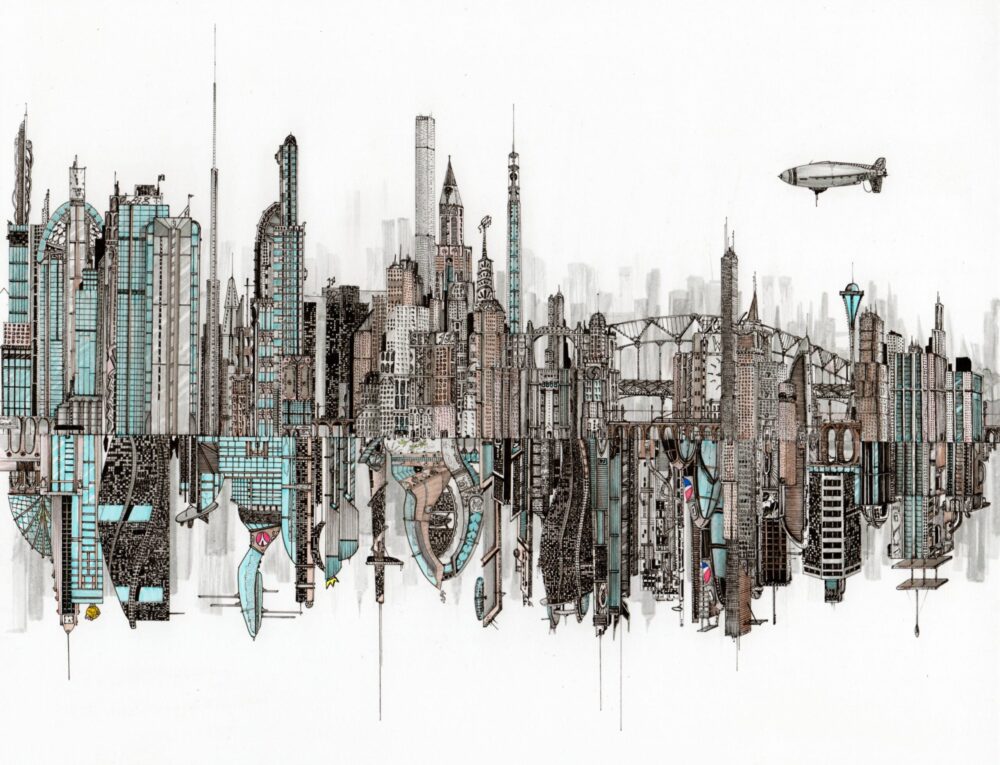
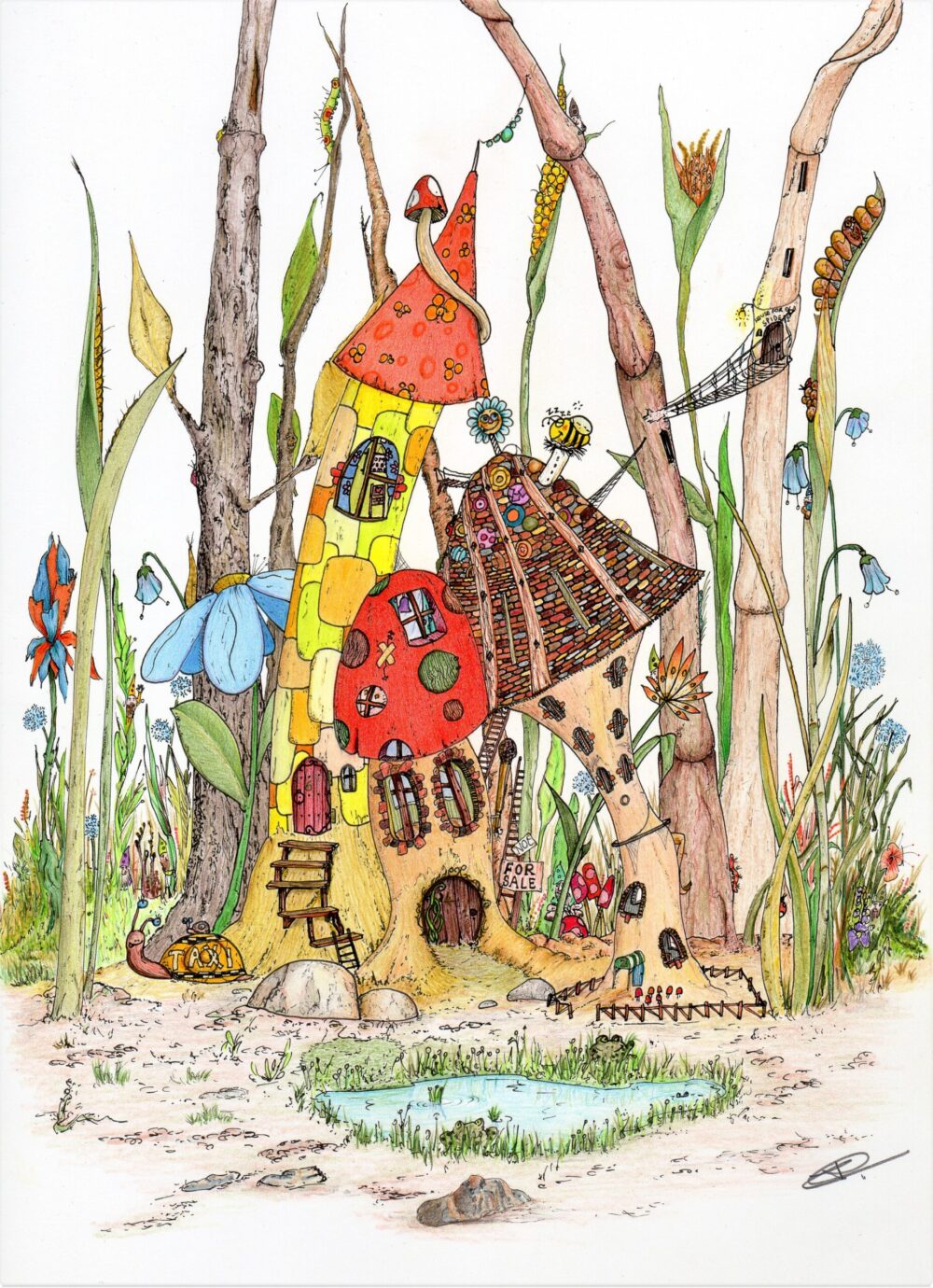
LSA: You describe your work as “stories without words” that invite personal interpretation. How do you balance guiding a viewer’s imagination with leaving space for their own narrative?
We all have imaginations and they all get stimulated in varying degrees unique to each individual. When I draw anything I am creating my own stories which guide the picture as I progress so, more often than not, it ends up a lot differently to how I initially envisaged. How people perceive art and recreate their own individual stories is something I have no control over other than simply offering something which has so much “story” in it they hopefully can’t help but come up with something unique. Children particularly are very good at this and I have a lot of fun asking different kids what their story is, and it’s always vastly different to whatever it was I had been thinking. And that’s the whole point actually.
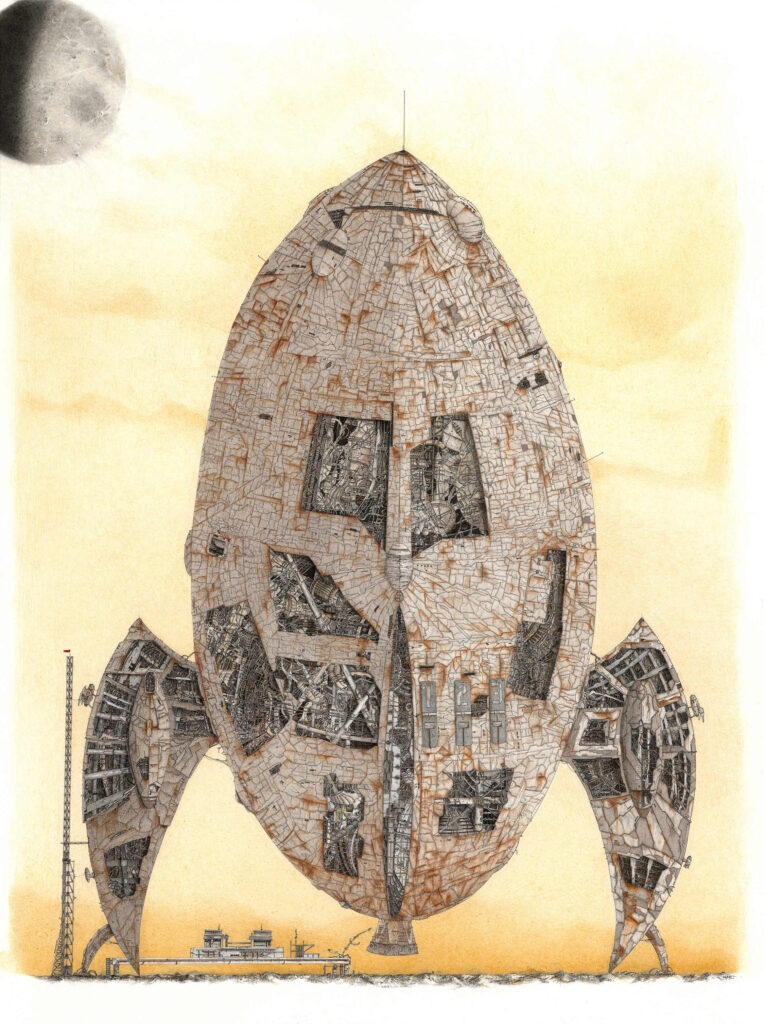
Well I know curiosity is something I actively try to encourage and I do that by including a myriad of tiny details, many of which only become apparent under a magnifying glass (which I increasingly hang by the art when exhibiting)or when closely studied. Hidden in plain sight is something I am a real fan of, and if I tell someone there are hidden “easter eggs” in there it sparks their curiosity to start looking. So for example with my recent space ships I have been adding in a tremendous amount of Area 51 references, which largely appeals to those who are into sci-fi in the first place, or cartoon and computer game characters just for the fun and the challenge to find them all. Any other emotional experience people have is sheer happenstance, and occasionally I will create something which speaks loudly to someone as it evokes a memory or feeling, but obviously I can’t predict that sort of thing but it’s actually really heart-warming when it does. I largely draw just for myself really, and am just blown away other people like it enough to buy. People say some incredibly positive and powerful things about my work, and it is humbling to be able to make that happen even though I cannot predict it.
LSA: Can you talk about how literary storytelling shapes your visual imagination and creative choices?
In the latter 1960s and 1970s I was an avid book worm and remember the fascination I felt when reading Enid Blyton books before I found classics like the Water Babies, Westward Ho!, Dr Syn which were so well written and fed my imagination with enough material to almost live the stories as I read them. Then I discovered CS Lewis and Tolkien, in that order, and I was gripped with excitement as page after page developed incredible worlds and characters and possibilities; in fact opening those books was akin to walking through the wardrobe into Narnia and entering a world unlike anything I’d been in before. It really unlocked my imagination and set it ablaze, and that has never ceased. It was a natural progression then for me to start drawing fantasy art as I journeyed beyond Narnia and Middle Earth into my own worlds and tried to start putting onto paper something of those worlds so I could expand upon them and enjoy them visually. I have always been a daydreamer and coupled with the fact I have adhd it has allowed me to experience deep levels of creativity and an insatiable desire to just keep on delving into those worlds and come up with so many ideas I won’t have time in this life to get them all out.
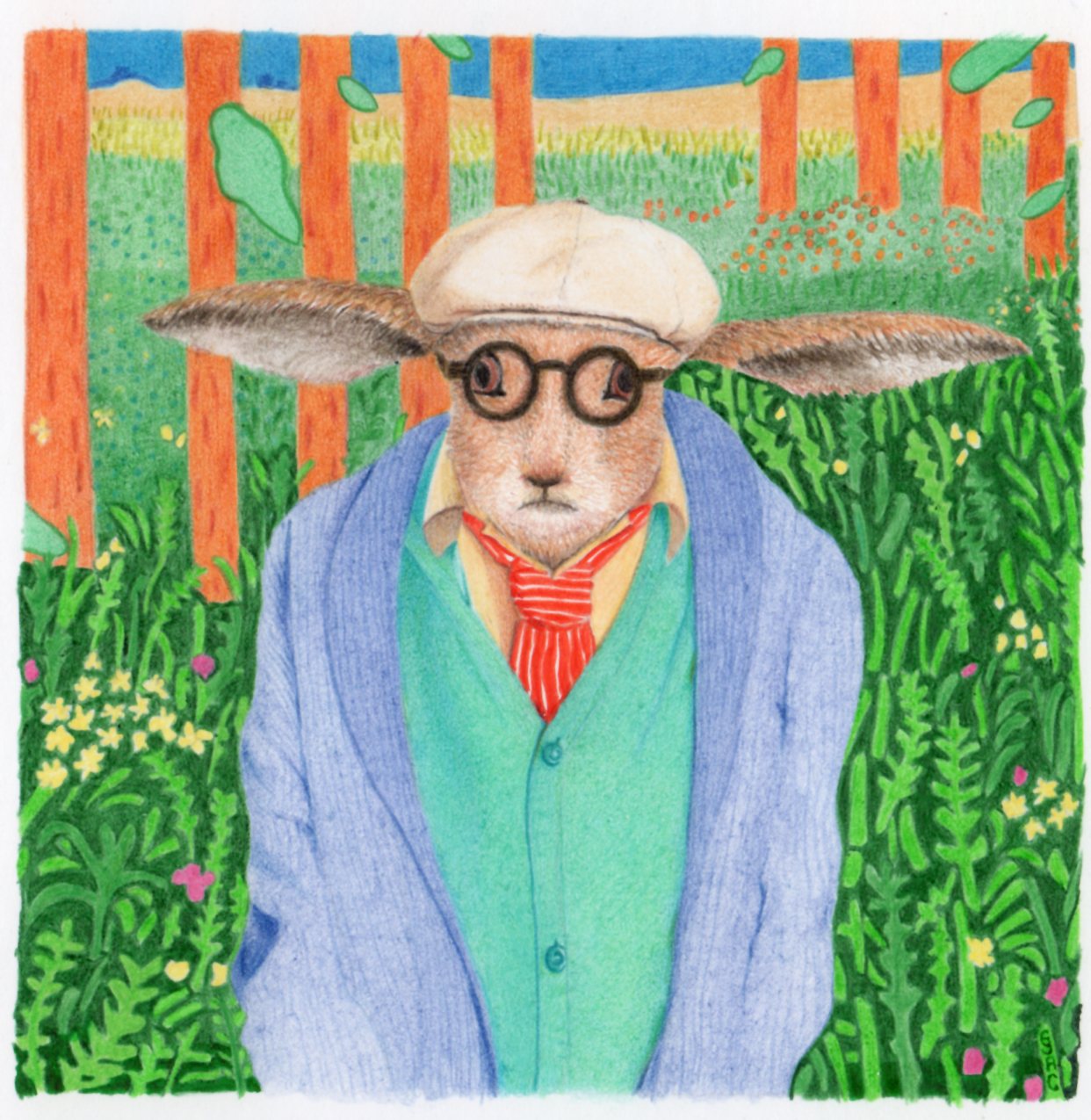
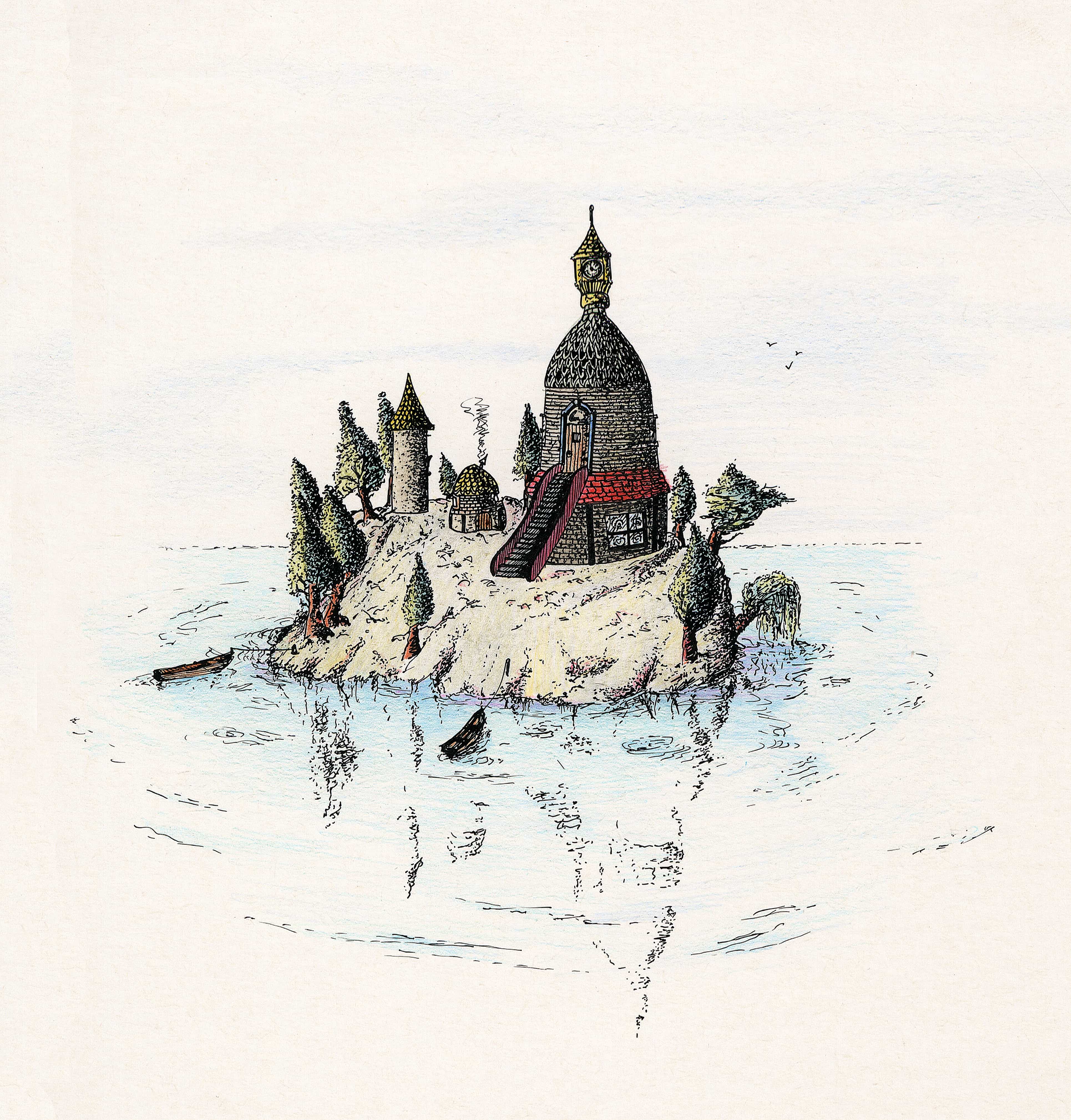
LSA: You moved from creating portraits in a corporate setting to being a full-time artist in 2016. What was the most important lesson you learned about your own creative process during that transition?
Probably the most important thing about my journey has to be the development of my own style. I give the illustration often about a large field of beautiful flowers where only those taller than the rest will truly be noticed, and I wanted to be one of the taller ones. So I developed my own style and because I am able to naturally hyper focus I put massive amounts of time and mental energy into what I am creating, and the results make me tall enough in that sea of flowers to be noticed. It’s an on-going process that evolves daily. Drawing portraits for famous music artists at EMI was great fun but you know, portraiture allows for no imagination because the subject matter cannot look different – just draw what you see and that’s that. I don’t want that, I feel compelled to draw complex pieces because they tap into my enormous imagination and that is where I find true inner peace. So, in short, develop your own style. That’s really important.
LSA: You’ve worked across exhibition types and even written creatively for children. Are there mediums, themes, or collaborations you’re curious to explore next that would expand your practice in a new direction?
I am happy with being a pencil and ink artist, it’s a medium I’ve used constantly since around the age of 4 in late 1967 when I remember starting to draw and I’m now so adept at it I don’t have any desire to use another medium. Actually I did try a spot of painting once or twice, but never took to it so I am happy to use pencil and increase my mastery of that medium, if at all possible. As for collaborations I like to work with authors, that’s quite fun. In fact I am beginning to illustrate a children’s book for an author whose draft has met with very positive critique so who knows where that will go. Illustrating for a book is my main dream because I really like the opportunity to bring something to life onto paper for others to enjoy, and coupled with the text of a writer, that for me is the perfect marriage.