
In a world where everyone takes endless photos on their phones, it’s easy to forget the value of simply looking...and sometimes just being present.
What began as a love of art became a lifelong passion for photography. Following a life-changing diagnosis, Jonathan Corbett found a new way to create, slowing down to capture the beauty that so many of us simply walk past.
LSA: What first drew you to photography? Was there a particular moment when you realised a camera was the creative tool for you?
I’ve always been drawn to visual arts — I loved drawing, design and making things when I was younger, and studied Art and Design through to A Level. It was around that time that photography really captured my imagination. I realised I could express myself more confidently with a camera than with a paintbrush, while still relying on the artistic foundations I’d learned. That led me to study photography at college, and it’s been my creative focus ever since.
LSA: You’ve photographed everything from portraits and weddings to wildlife and landscapes. Which genre feels most like “home” and why?
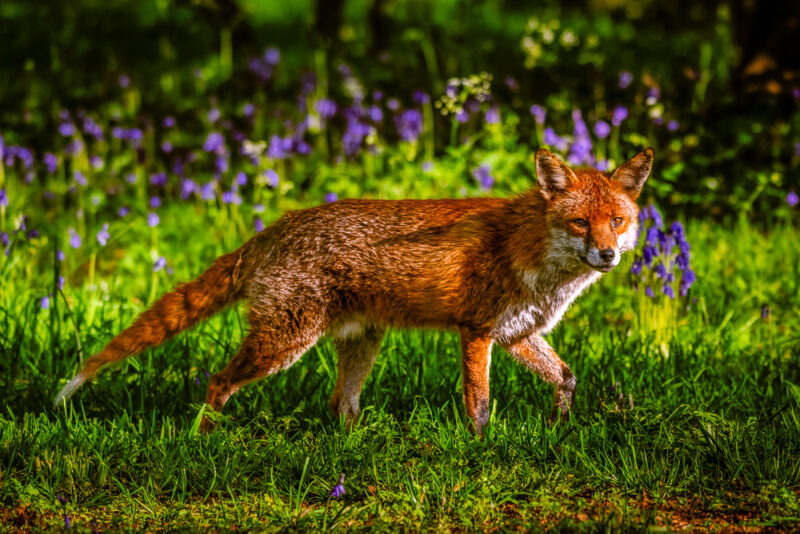
I’ve tried a range of genres over the years, partly to see where I felt most comfortable and partly to explore potential income streams. But after my health issues, I had to take a more pragmatic approach and focus on work that allowed me to slow down, be in control, and enjoy the process. Wildlife, nature and landscapes feel most like home because they give me the freedom to work at my own pace and follow my own creative instincts. Client‑based work like weddings was rewarding, but ultimately too stressful and limiting. I much prefer photographing what inspires me and developing my own style.
LSA: As a photographer, what instantly catches your eye that most people might walk straight past?
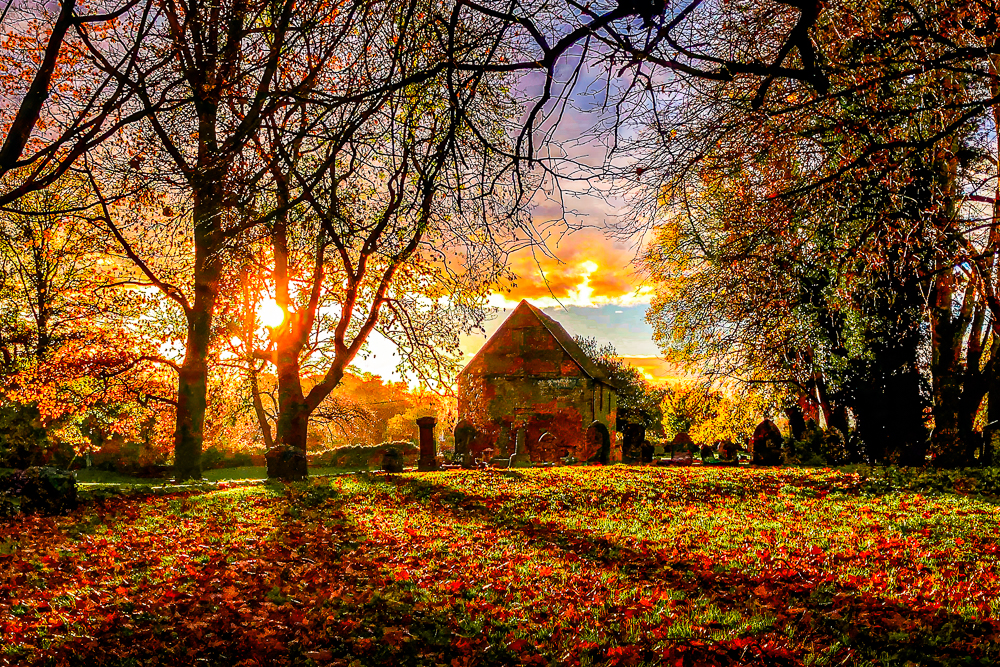
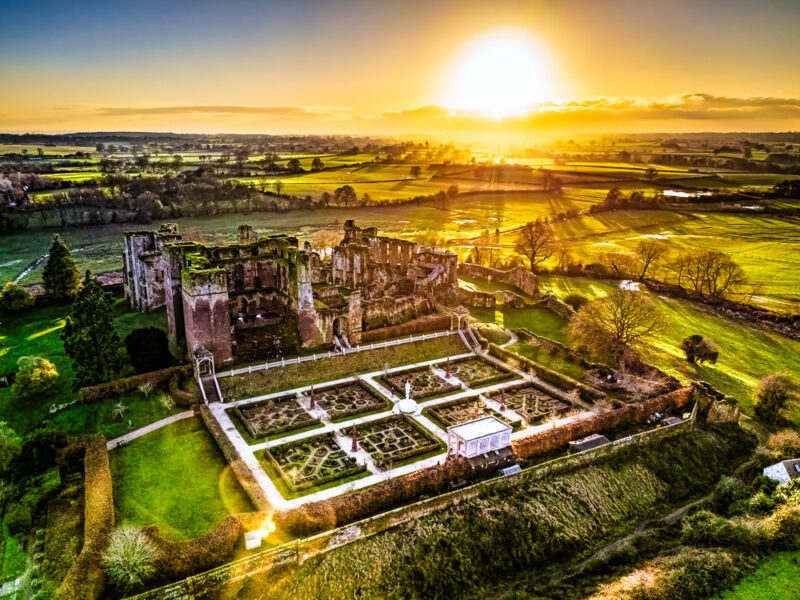
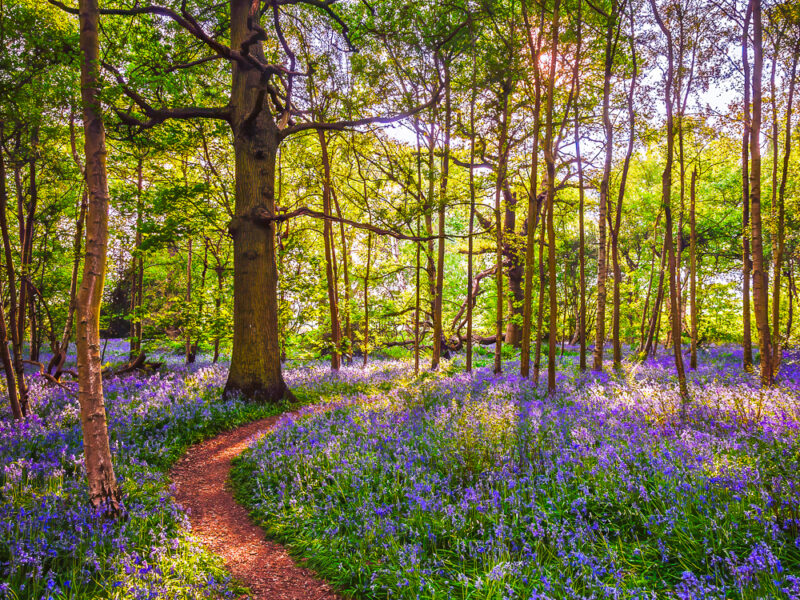
Often it’s the small details — the shape of a tree, a robin perched on a fence, or the way light falls across a scene. Light is everything in photography, and I’m fascinated by how quickly it can transform a landscape. Living in the UK, we’re lucky to have varied weather and distinct seasons, so the same place can look completely different from one visit to the next. Spring and autumn are probably my favourite times to explore.
LSA: You often photograph nature and wildlife. Is there a favourite local spot in Warwickshire that never fails to inspire you?
I have a few:
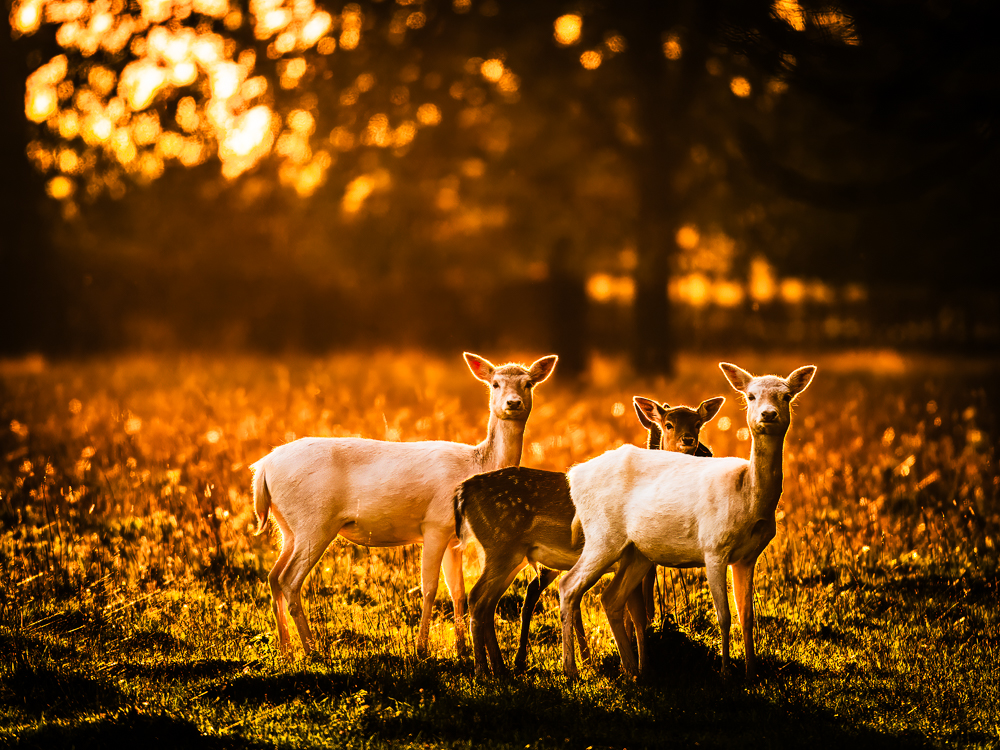
Charlecote Park — A beautiful place to photograph fallow deer, especially during the rut. The river, woodlands and wildlife make it incredibly peaceful.
Brandon Marsh — A fantastic Wildlife Trust reserve full of birdlife, from ducks to kingfishers, and home to one of Warwickshire’s best starling murmurations.
Local parks — Abbey Fields and Jephson Gardens have given me some wonderful encounters, from herons to bats and even the occasional parakeet. Since I can’t drive anymore, I’ve come to appreciate these accessible spaces even more. Every year I look forward to photographing the new ducklings and cygnets.
LSA: Photography often asks us to slow down and really look. Has it changed the way you experience the world?
Absolutely. To create meaningful images, you have to slow down and really study what’s in front of you — not just the whole scene, but the smaller elements that give it character. My sight impairment has forced me to adopt this approach even more, helping me appreciate moments rather than rush through them.
One of my favourite quotes is from The Secret Life of Walter Mitty, when Sean O’Connell says: “Sometimes I don’t. If I like a moment, I don’t want the distraction of the camera. I just want to stay in it.” In a world where everyone takes endless photos on their phones, it’s easy to forget the value of simply looking — and sometimes just being present.
LSA: After your diagnosis with Idiopathic Intracranial Hypertension (IIH), photography became a different experience. What has that journey taught you about resilience and adapting as an artist?
After surgery, I wasn’t sure how much sight I’d retain or whether I’d be able to continue with photography. Thankfully, enough remained for me to keep going, but I’ve had to adapt. Spotting wildlife can be harder, so I often rely on others to help me locate subjects. Gaps in my vision mean I sometimes miss elements in a scene, but modern editing tools help me correct what I can.
I’m a perfectionist, especially with fine‑art work, but I’ve learned to accept that imperfections are part of my process now. This journey has taught me resilience, patience, and the importance of working in a way that suits my abilities rather than fighting against them.
LSA: If you could photograph absolutely anything…past, present or future—what would be your dream shot?
I’d love to photograph a landscape exactly as it looked thousands of years ago — untouched, wild and free from modern life. Capturing a moment from the past with the tools of the present would be incredible.
LSA: What’s the longest you’ve ever waited for the perfect photograph, and was it worth it?
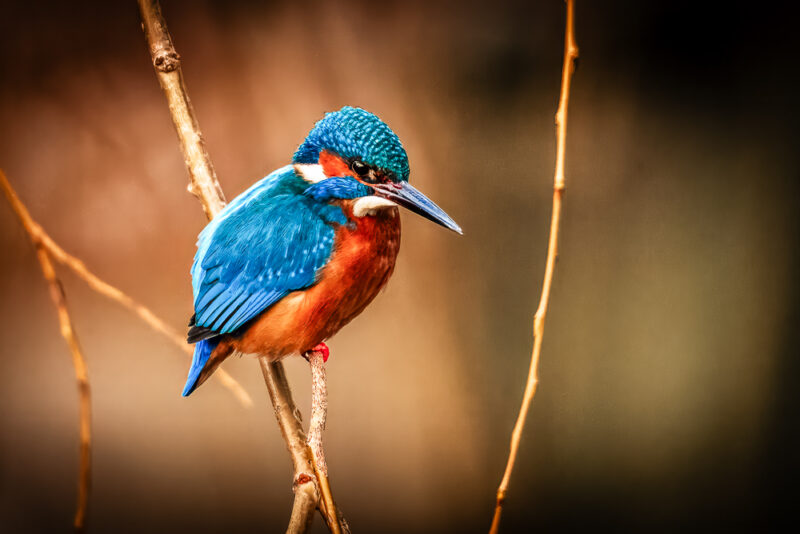
I don’t think there’s ever a truly “perfect” photograph — we’re always trying to improve. But one moment I waited years for was seeing a kingfisher in the wild. After admiring other photographers’ images, I finally saw one last year in Leicestershire. Just seeing it was magical, and photographing it was even better. Now I’m hoping to capture one in flight or with a fish — that’s a goal for the future.
LSA: If your camera roll had to tell the story of your personality, what would we find most of?
A lot of nature, a lot of experimentation, and plenty of moments that might seem ordinary but meant something to me. My camera roll shows how I slow down, pay attention, and look for interesting subjects wherever I go.
LSA: What’s one photograph you’ve never managed to capture… yet?
A barn owl in flight, especially in early morning or golden evening light. I’ve heard them and seen beautiful images taken by others, but that moment still hasn’t happened for me — yet.