

The aesthetic comes first, but closely followed by the function.
Understanding an artist’s journey offers a deeper appreciation of their work, the influences, decisions, and passions that shape their creative path…
John Simpson is a Warwickshire-based contemporary artist whose work transforms discarded and reclaimed materials into bold, functional artworks. Working with salvaged wood and metal, he creates sculptural lamps, furniture, and one-off pieces that embrace imperfection and tell stories through texture, form, and use. Rooted in sustainability but driven by aesthetics and narrative, John’s practice challenges how we view waste.

Through his work, John’s artistic voice reveals a deep respect for materials and their histories. His approach blurs the line between function and sculpture, allowing form, texture, and narrative to lead while purpose quietly follows. Rather than disguising wear or age, he elevates it, inviting viewers to reconsider value, longevity, and our relationship with the objects we live with. The questions below offer insight into how his process, philosophy, and environmental awareness shape each unique piece.

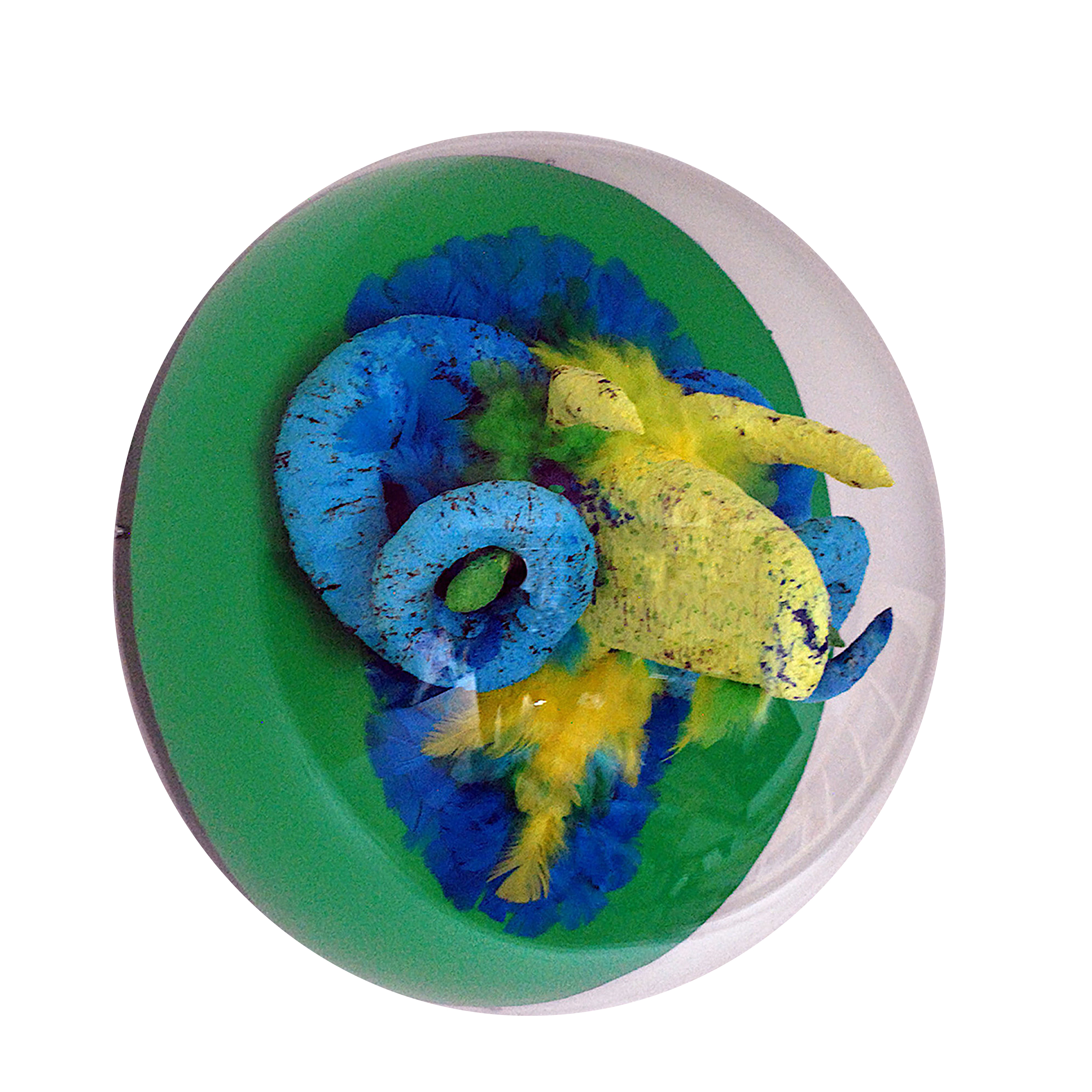
LSA: When you come across a piece of salvaged material, what’s the first thing you look for — its history, its form, or its potential function?
First and foremost, I look at the aesthetics. Is it the shape I would like to enhance in the form of colour and texture? Then I look at how I can produce the final product with the knowledge and skills I’ve managed to acquire. Is it easy to do and what process should I do in order to achieve that. I never really think about its history, although I do like the style of mid-century design.
LSA: Many of your pieces sit in the space between art and function: lamps, furniture, sculptural objects. What excites you about working in that in-between territory?
Yes, I don’t like to be pigeon holed. There are many ways art and processes can take you. In some respects, too many creative variants are on show nowadays. I started as a graphic designer and whether that has an influence on my creative endeavours, I don’t know. Experimentation is the key coupled with a desire to produce objects that have a ‘John Simpson’ stamp on them. Let’s say for example I would like to recycle a glass vase you have already got a starting point, its shape and that’s a constraint if you like. But that constraint should not and does not restrict you from broadening the design process. By applying texture, colour and a function with a high-quality finish you have something a lot more desirable. Then the story can be told as to how it has come about.
LSA: Being based in Warwickshire, how does your local environment, community, or access to materials shape the way you work?
Living in the area does not really have an influence on my work. You can pick a lot of the things I recycle all most anywhere. There are quite a few recycled outlets in the community which I visit regularly. In addition, the local art scene here is very lively and energising.


LSA: Has working so closely with reclaimed materials changed the way you personally think about consumption, value, or longevity beyond the studio?
Yes it has. Before I got in to recycling my attitude was a little ‘relaxed’. But that has changed. Seeing all the corrugated cardboard left out every other week where I live during lockdown was a bit of a catalyst. I knew all this material had the chance of being made into something not just functional but beautiful.
LSA: When you’re making a piece, does the aesthetic vision come first or does the function shape it from the outset?
The aesthetic comes first but closely followed by the function. I narrow myself down to only a few possibilities. Due to the nature of my studio, I restrict myself to materials and processes I know are achievable in the space and environment I work in. Welding, chemical processes and heavy machinery are simply not in my remit, and is something I don’t really want to get involved with. I did bye a laser cutting machine. But I found it slow and smelly. The fumes coming off the materials was not good, which meant an extractor had to be installed if I was to continue the machine. It cost over £500. I sent it back. Over the following days I came up with and produced a similar bit of kit that does the job in a fraction of the time, no smell and at a cost of £12.50, all from recycled materials. That might just sum up John Simpson.